

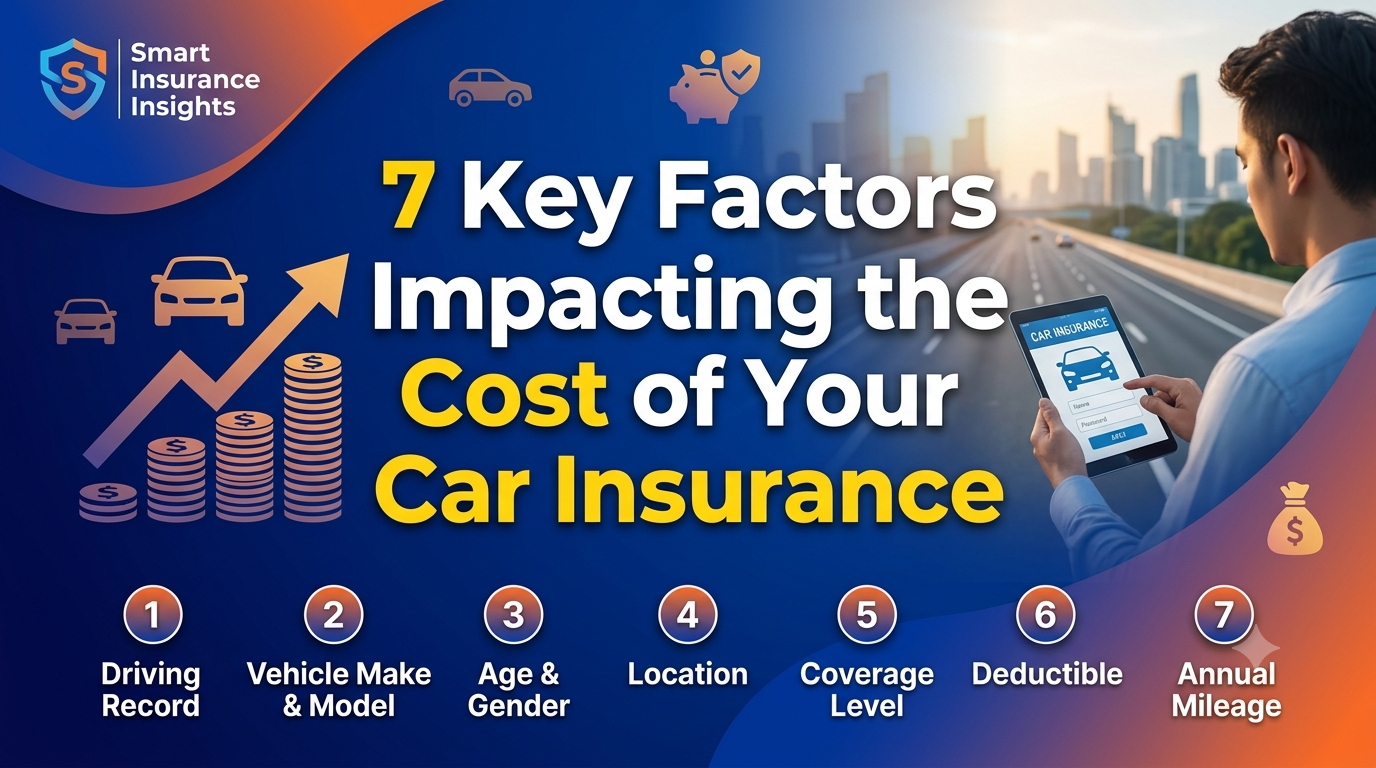
Car insurance is essential if you own a vehicle. Understanding how auto insurance rates are calculated is important to helping you save money. Learning about this process allows you to find different ways to reduce the cost of your insurance while still receiving the coverage you need. Discussing your situation with an insurance agent can also help in choosing the best policy for your situation.
Here is an overview of the biggest factors impacting the cost of car insurance.
Table of Contents
1) Type of Vehicle You Drive
The type of vehicle you own is one of the primary factors that determine the cost of your car insurance. Typically, the more expensive the car, the higher the insurance premium. For example, luxury cars, sports cars, and high-end vehicles are much more expensive to repair, which raises the cost of insurance. On the other hand, a more affordable vehicle with a lower market value will often have a lower insurance premium.
2) Age and Gender
Another factor impacting the cost of your insurance is your age and gender. Generally, younger drivers have higher insurance rates because they are considered riskier drivers. Young drivers also have less experience on the road, which increases the likelihood of accidents. Male drivers often pay more expensive insurance premiums than female drivers because they are more likely to be in an accident.
3) Cost of Your Deductible
The deductible on your auto policy is the amount you pay before your insurance covers the remaining costs. A higher deductible will lower your insurance premium, but it also means you will need to pay more money before the insurance pays for the rest. However, a lower deductible will increase your insurance premium but reduce your out-of-pocket expenses in the event of an accident.
4) Your Location
Where you live can also affect the cost of your car insurance. Urban areas with higher traffic increase the risk of an accident, which is why insurance rates are higher compared to living in a rural area. The crime rate in your location can also impact your insurance premium. If you live in a location with a high crime rate, you may pay more for comprehensive coverage to protect against the risk of theft and vandalism.
5) Safety Features
All of the different safety and security features of your vehicle can impact your insurance. Vehicles with advanced safety features are less likely to be involved in accidents, which means they are cheaper to insure. Similarly, vehicles with anti-theft devices, such as alarms and tracking systems, are less likely to be stolen, which can significantly lower your comprehensive coverage cost.
6) Purpose of Vehicle
The way you use your car can also affect your insurance premium. If you use your vehicle for going on business trips or driving long distances regularly, you may pay more for insurance because you are at a higher risk for accidents. On the other hand, you can often find more affordable insurance if you work from home and don’t commute on a regular basis.
7) Past Driving History
Your driving history is one of the most critical factors that determine your car insurance premium. If you have a history of committing traffic violations or accidents, you will pay more for insurance because you are considered a high-risk driver. However, if you have a clean driving record with no accidents or violations, you may qualify for lower insurance rates. Completing a defensive driving class can often help you lower the cost of your insurance.


