

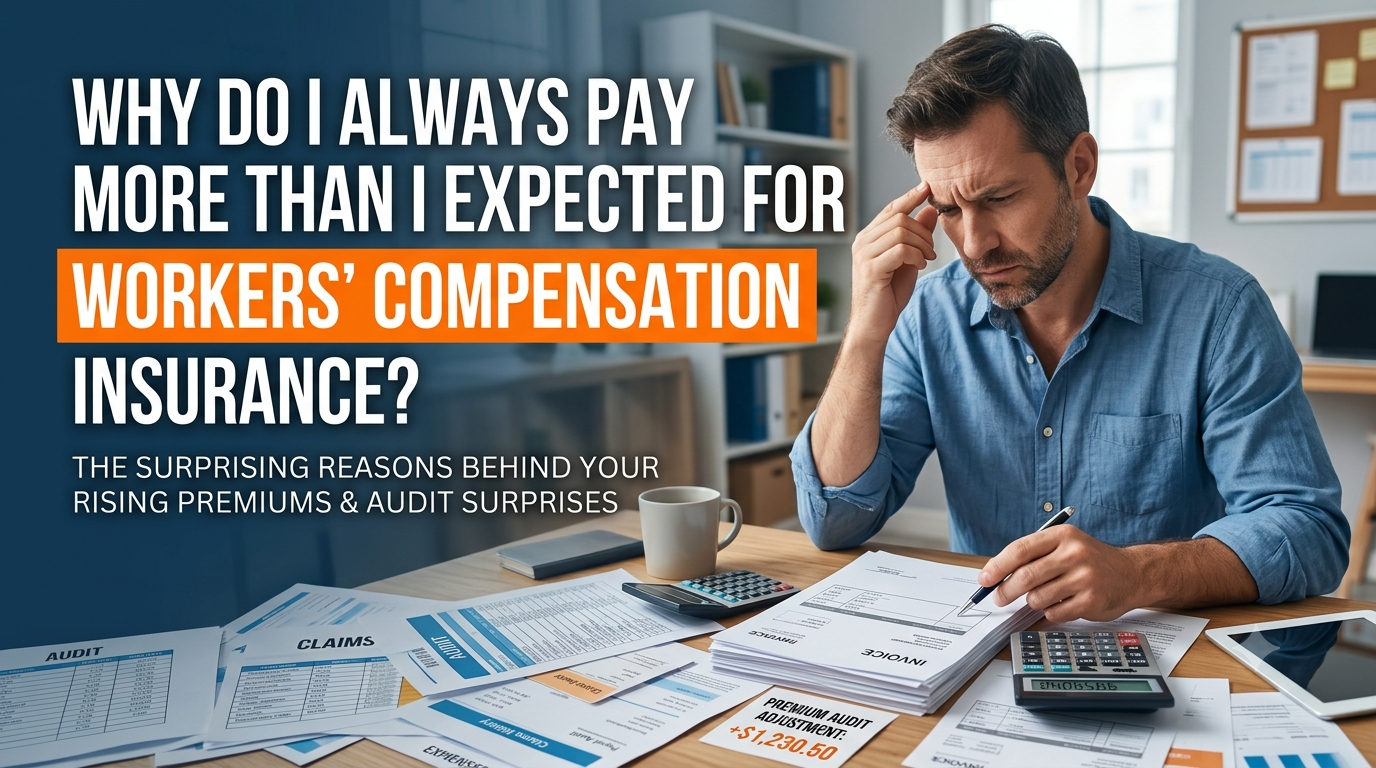
There is a single, simple reason that worker compensation insurance costs tend to spiral out of control. Even certified worker comp auditors frequently make errors in payroll audits.
The Institute of Worker Compensation Professionals found that 80 percent of payroll audits contain significant errors. You read that correctly: 80 percent. Chances are that your company’s annual payroll audit contains errors that caused you to be overcharged.
Just how much can audit errors cost your company?
- Worker compensation analyst Miquel Keets uncovered and corrected a $381,480 error that occurred when a payroll auditor misapplied a rule regarding voluntary worker compensation.
- The Institute of Worker Compensation Professionals identified a $404,000 error that resulted when an insurance company’s payroll auditor failed to note that a company had outsourced all of its manufacturing, leading to a misclassification of millions of dollars in wages.
Auditors are generally honest people facing extreme time pressures. Their company accounting departments expect them to estimate premiums 30, 60, or 90 days in advance, whether or not they have enough information. It serves the auditor to make any mistakes in favor of the insurance company, even if those errors cost the customer tens or hundreds of thousands of dollars. To intervene in the audit process and pay a fair premium, business owners should understand three basic facts about insurance company auditors.
Payroll Auditors Are the Eyes and Ears of the Insurance Company
Payroll auditors do not work for the company’s underwriting department. They don’t decide whether or not your company can receive coverage.
Instead, payroll auditors work for the insurance company’s finance department. They decide the final bill you receive for your annual worker compensation coverage.
Auditors will compare your payroll records with your unemployment tax filings, your insurance filings, and your financial statements to make sure they are basing your premium on your entire payroll expense. Then they will base your bill on your total payroll expense assigned the right rating code. It then becomes your job to identify all the positions that should be rated with a lower code.
An honest auditor will not typically assign every employee to the highest code. Auditors will ask, “OK, who works in the office?” and “Who has a sales job?” If you don’t have every employee who works in a less risky position, you will pay too much for your insurance.
The payroll auditor from the insurance company will ask your bookkeeper for your payroll reports, your quarterly unemployment insurance reports, and your ledgers. At this point, your bookkeeper must volunteer additional information about the job descriptions of all of your employees.


